

Soy wax feels ancient. It is not. Paraffin candles have been around since the 1850s. Soy wax turned up in the 1990s, which makes it younger than the Nintendo Game Boy.
So it is worth asking the obvious question. If soy was the better candle wax all along, why did nobody notice for a hundred and forty years?
The answer is that soy wax did not win an argument. It was commissioned.
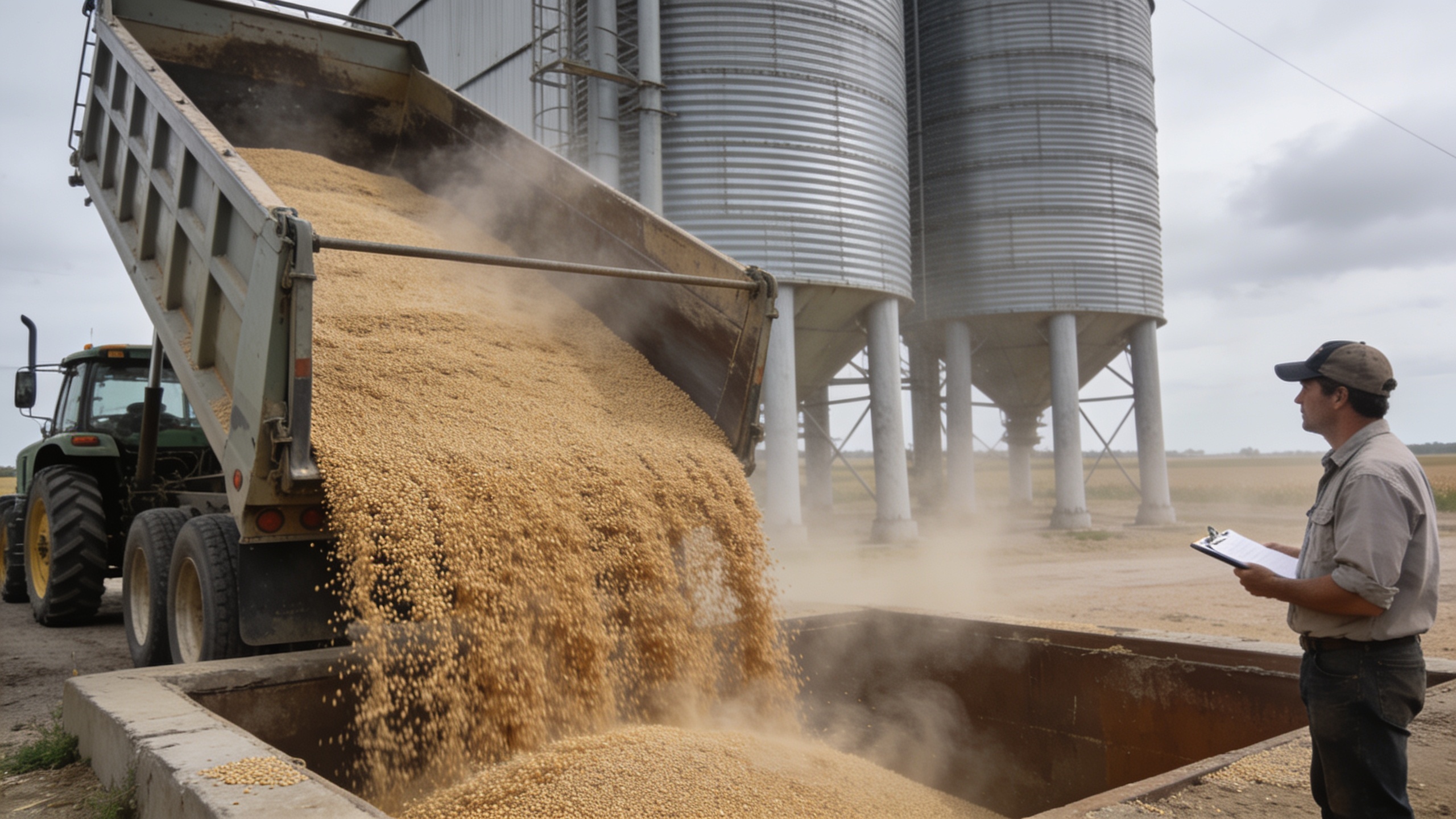
Every American soybean farmer pays for soy marketing by law
This is not a conspiracy theory. It is a federal programme, it has a website, and you can go and read it.
The soy checkoff was created in the 1990 farm bill. Every soybean farmer in the United States pays 0.5% of the market price of every bushel they sell into a central fund. Not optional. It comes off at the first point of sale whether you like it or not.
That money goes to the United Soybean Board, who spend it promoting soy. One of their stated priorities is "new industrial uses", which means finding things to do with soybeans that are not food, because the more uses there are, the more soybeans get sold.
Candle wax is one of those things. Checkoff money has gone into developing and promoting soy candle wax, including NatureWax. There is nothing secret about it. They put it in the annual report.
Which puts the famous study in an interesting light
If you read our last post you will remember that almost every "paraffin is toxic" article traces back to one 2009 study from South Carolina State. Never peer reviewed, compared paraffin against soy and nothing else.
And funded by a USDA soy research grant.
So the single most quoted piece of evidence that paraffin is dangerous was paid for by the people who sell the alternative. You can decide for yourself how much that is worth. We just think it should be on the label.
The courts have actually ruled on what this is
Here is a lovely bit of legal trivia. Farmers have challenged checkoff programmes over the years, arguing that being forced to fund advertising you disagree with is compelled speech.
In 2005 the Supreme Court decided Johanns v. Livestock Marketing Association and found that checkoff promotion counts as government speech. You cannot sue over it, because it is not the farmers talking. It is the state.
Read that again. When you see soy promoted as the clean, natural, wholesome choice, a court has formally determined that this is a government marketing message funded by a mandatory levy.
That is not the same thing as a finding about candles.
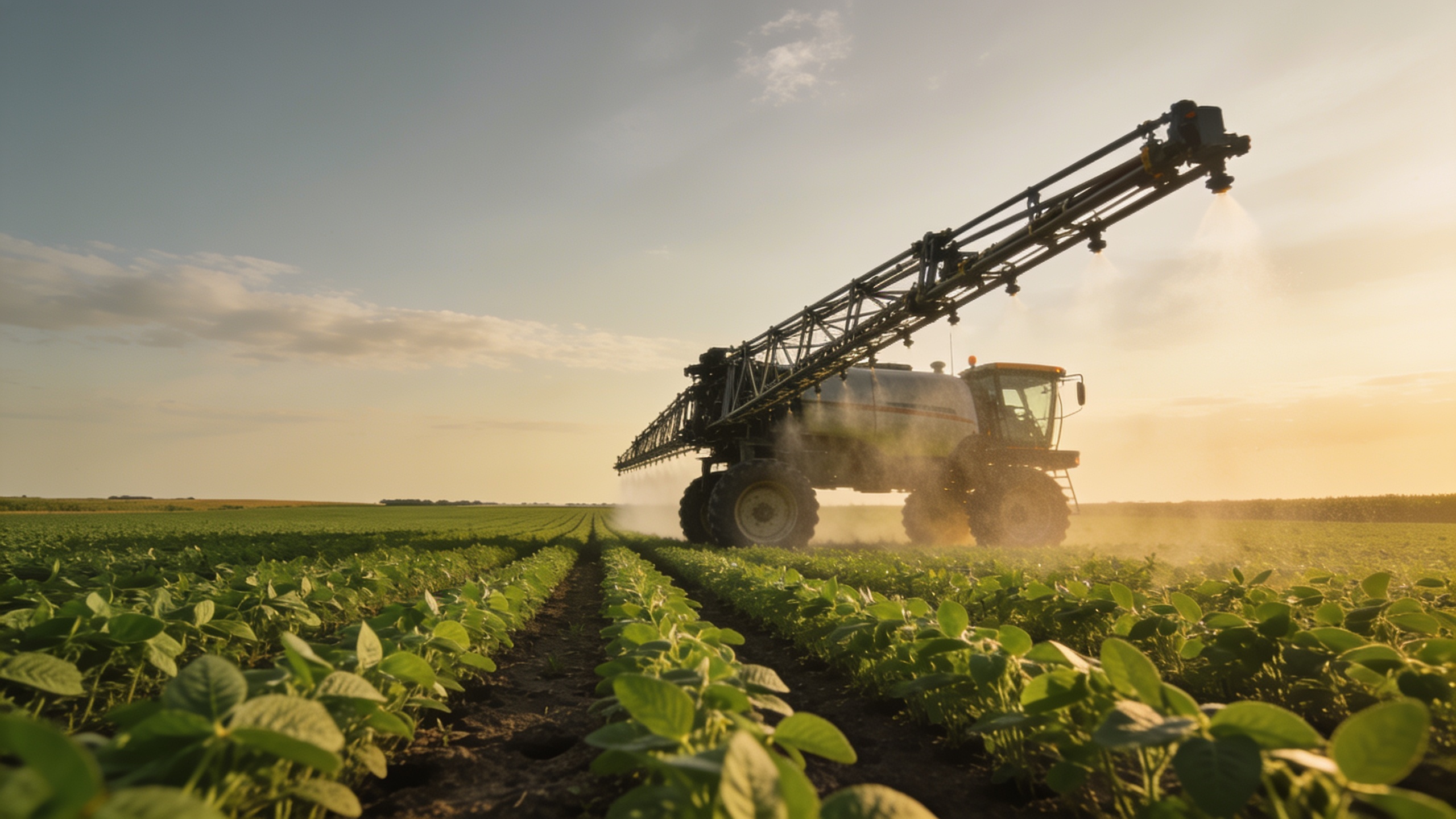
About that word, natural
Soy wax is sold on being natural. Let us look at the crop.
96% of US soybean acres planted in 2025 were herbicide tolerant genetically engineered varieties. That is USDA's own figure. Not a fringe number, not an activist estimate, just what is in the ground.
To be completely clear, we are not making a health claim about eating GM soy. We are not qualified to and the evidence does not support it. The point is narrower and harder to argue with: a crop that is 96% genetically engineered and grown with a matched herbicide programme is a strange thing to market on the word "natural" while calling a refined petroleum product unnatural.
Paraffin comes out of the ground. Soy comes out of a patent.
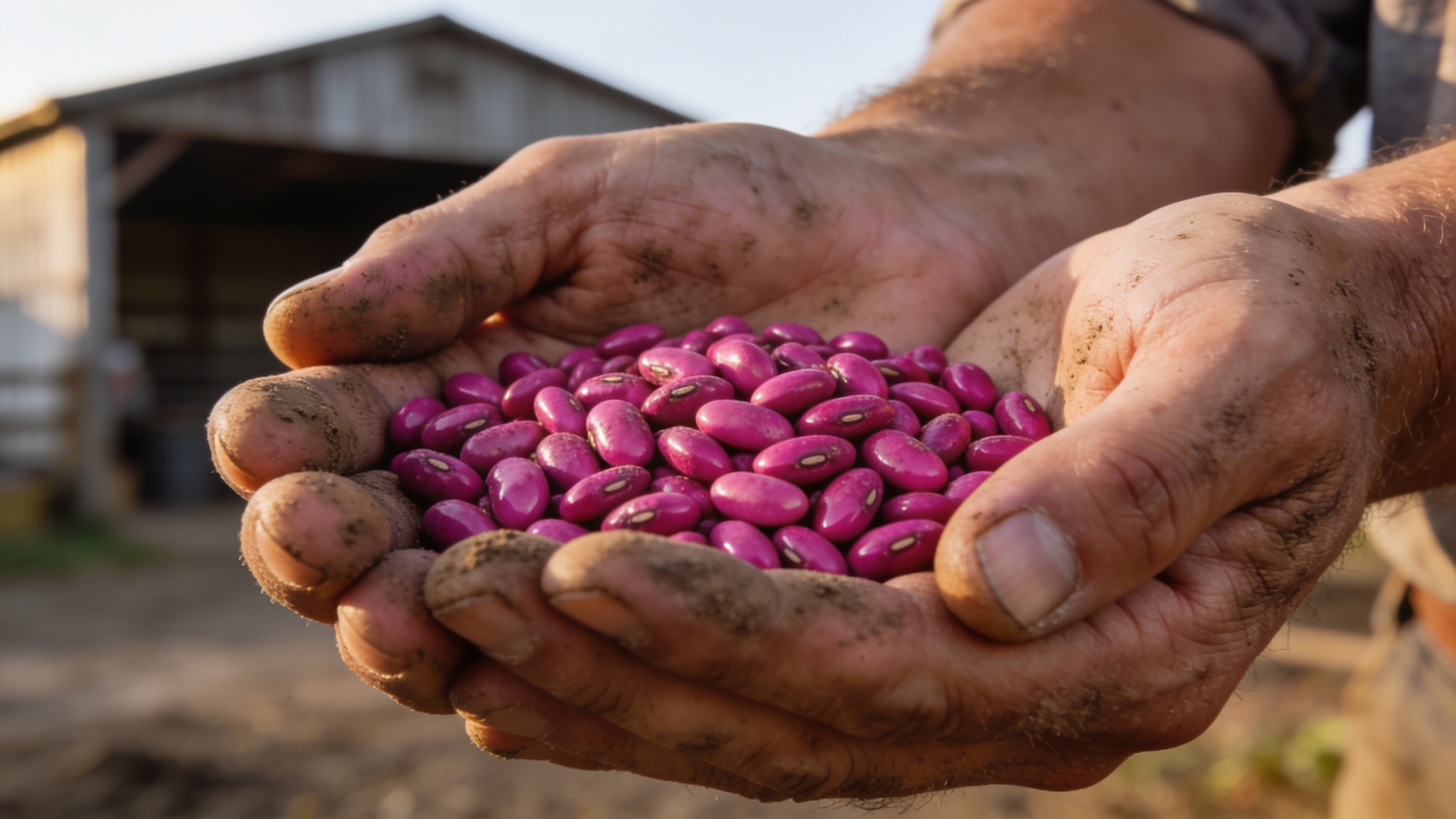
And the farmers are not having a lovely time either
Here is the part that gets left out of the wholesome version.
In 2013 the Supreme Court decided Bowman v. Monsanto. Vernon Bowman, an Indiana farmer, bought ordinary commodity soybeans from a grain elevator, planted them as a late second crop, and saved seed from what grew. Farmers have saved seed since farming was invented.
Monsanto sued him. The Court sided with Monsanto 9 to 0.
Saving seed from your own harvest is patent infringement if that seed carries someone else's gene. So you buy new seed every single year, from a very short list of companies, forever.
That is the supply chain behind the wax being sold to you as the kind, natural, farmer friendly option.
None of which makes soy a bad wax
We need to be straight here, because we sell the stuff.
Soy wax is genuinely good. Beautiful creamy finish, bonds well with fragrance, renewable, and it is forgiving once you learn it. Plenty of brilliant candles are poured in 100% soy and we are glad to sell the wax for them.
The soybean industry being self interested does not make soy wax bad, any more than oil companies existing makes paraffin bad. Industries promote their products. That is what industries are.
The thing worth resisting is not soy. It is the idea that one wax is morally superior to another, when that idea was bought and paid for as a demand creation project, and it worked.
Judge it on the bench
Pour both. Same fragrance, same jar, same wick, same load, same cure. Light them a fortnight later in the same room and see which one you can actually smell from the doorway.
That test costs you about twenty dollars and settles the question better than any amount of marketing, ours very much included.
Sources
- United Soybean Board, About the Checkoff, and Issue Brief: Industrial Uses
- Johanns v. Livestock Marketing Association, 544 U.S. 550 (2005)
- Bowman v. Monsanto Co., 569 U.S. 278 (2013)
- USDA Economic Research Service, adoption of genetically engineered crops, 2025
- Massoudi & Hamidi, South Carolina State University, 2009 (conference presentation, unpublished, USDA soy grant funded)